 info@clicks-online.com
The evolution of gambling from ancient practices to modern trends
The Origins of Gambling
The practice of gambling can be traced back to ancient civilizations, where it was often intertwined with religious and cultural activities. Archaeological findings reveal that the earliest forms of gambling appeared in China around 2300 BC, where rudimentary games involving dice were played. This form of entertainment was not merely a game of chance; it was often linked to rituals and ceremonies, reflecting the social structure and beliefs of those societies. In today’s gaming landscape, the aviator game exemplifies how ancient practices have evolved into thrilling modern experiences.

In ancient Rome, gambling flourished as a popular pastime among citizens, especially during festivals. Romans engaged in various games, including betting on gladiatorial contests and chariot races. These activities were not just about winning money; they offered a sense of community and excitement, drawing spectators and participants together. The Romans established rules and regulations around gambling, indicating its growing popularity and influence in their culture.
The medieval period saw gambling practices evolve in Europe, where card games emerged from earlier games of chance. The introduction of playing cards in the 14th century transformed the gambling landscape, allowing for a new level of strategy and skill. This period marked a significant shift from purely chance-based games to those that required cognitive engagement, setting the stage for modern gambling practices.
Gambling in the Age of Enlightenment
The Age of Enlightenment brought forth significant changes in various aspects of society, including gambling. The 17th and 18th centuries saw the establishment of formal gambling establishments, such as casinos and gaming houses, particularly in Italy and France. These venues became centers of social interaction, where individuals from various backgrounds came together to participate in games of chance and skill. The casino culture introduced a more structured environment, complete with rules and regulations.
During this time, games like baccarat and poker gained popularity, each with its own set of strategies and betting systems. The increased sophistication of these games attracted the elite and aristocracy, turning gambling into a high-stakes endeavor. As literature and art began to reflect the complexities of human behavior, gambling became a prominent theme, highlighting both the allure and dangers of betting.
Additionally, the rise of colonialism and global trade introduced new games and betting practices from around the world. This exchange of cultural practices enriched the gambling landscape, allowing for the fusion of different styles and strategies. The evolution of gambling during this era not only laid the groundwork for modern practices but also shaped societal attitudes toward risk, reward, and morality.
The Rise of Modern Gambling
The 19th century marked a pivotal moment in the evolution of gambling, particularly with the legalization and regulation of various betting activities. The introduction of betting on horse racing and the establishment of official lotteries represented a shift toward more organized and government-sanctioned forms of gambling. This period also saw the emergence of casinos in places like Monte Carlo, which attracted wealthy patrons and became synonymous with glamour and risk.
The introduction of new gaming technologies, such as the slot machine, revolutionized gambling further. Initially designed to entertain, these machines quickly became popular due to their simplicity and accessibility. The allure of jackpots and the ability to win without much effort made slot machines a staple in casinos, appealing to a broader audience beyond seasoned gamblers.
The 20th century continued this trend with the proliferation of casinos, particularly in Las Vegas, which transformed into a major gambling hub. The establishment of online gambling in the late 1990s heralded a new era, allowing players to engage in betting activities from the comfort of their homes. This digital evolution not only expanded the reach of gambling but also brought about significant changes in how people approach and perceive gambling today.
Gambling Trends in the 21st Century
As technology continues to advance, so do the trends in gambling. The rise of mobile gaming has created an unprecedented accessibility, allowing users to gamble anytime and anywhere. Mobile apps and platforms have made it easy for individuals to engage in their favorite games, leading to a significant increase in participation among younger demographics who favor convenience.
Additionally, the emergence of live dealer games has bridged the gap between online and traditional gambling experiences. Players can now participate in real-time games with live dealers via video streaming, offering a more immersive experience that captures the social elements of gambling. This blend of technology and human interaction has transformed online casinos, making them more engaging and appealing.
The current trend also highlights the importance of responsible gambling. With increased accessibility comes the responsibility to promote safe gambling practices. Many online platforms and casinos are implementing measures to ensure player safety, including self-exclusion options and betting limits, aiming to foster a healthier gambling environment. This shift reflects a growing awareness of the potential risks associated with gambling, emphasizing the need for education and support.
Exploring the Future of Gambling
The future of gambling is poised for further evolution as technology continues to develop. Innovations such as virtual reality and artificial intelligence are beginning to reshape the gambling landscape, promising more personalized and immersive experiences. Virtual reality casinos could offer a completely new way to experience gaming, allowing players to interact in lifelike environments from the comfort of their homes.
Moreover, the integration of blockchain technology in gambling offers the potential for increased transparency and fairness. This technology can ensure that games are operated fairly, with all transactions recorded securely. As the gambling industry grapples with regulatory challenges, blockchain could provide solutions that enhance player trust and security.
As gambling becomes more mainstream and integrated into the entertainment industry, the potential for celebrity gamblers to influence trends and perceptions is growing. High-profile personalities who share their experiences with gambling can drive interest and shape the industry’s future direction. This connection between celebrity culture and gambling may lead to new marketing strategies and innovations that attract diverse audiences.
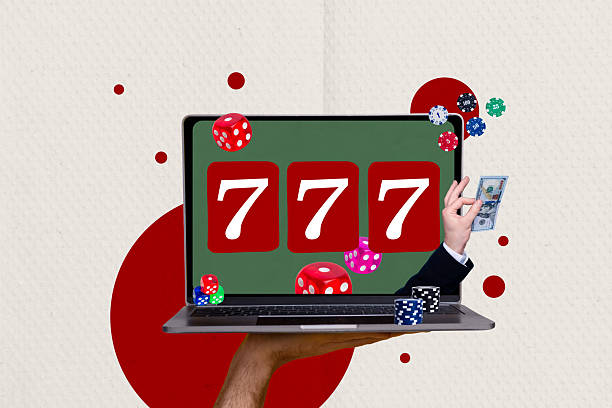
Join the Adventure of Modern Gambling
In summary, the evolution of gambling from its ancient roots to contemporary practices showcases an intriguing interplay of culture, technology, and society. As players navigate this ever-changing landscape, they can explore various options, from traditional casinos to innovative online platforms. The future of gambling looks promising, with advancements that prioritize player engagement and safety.
For those interested in immersing themselves in this dynamic world, modern online gaming platforms provide an exciting opportunity. Players can experience thrilling games, robust bonuses, and a community of fellow enthusiasts eager to share their experiences. Embrace the adventure and discover the endless possibilities that modern gambling has to offer!